Updated: September 2026
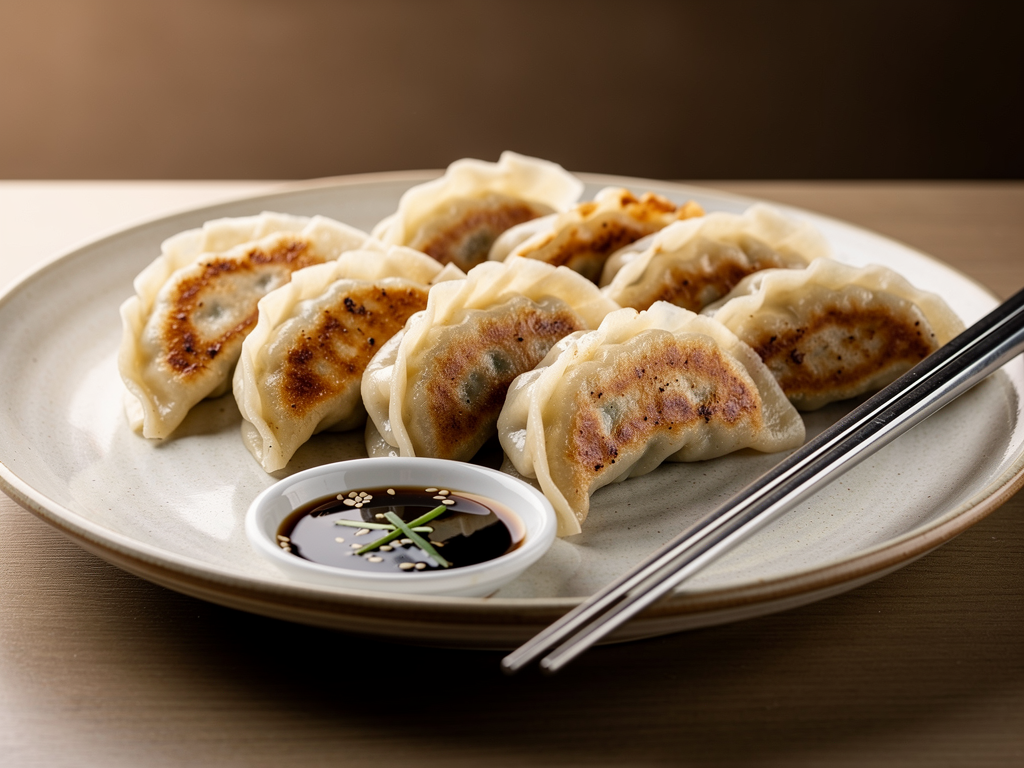
What is mandu? Mandu is the Korean dumpling – a thin wheat wrapper around minced meat, tofu, glass noodles, spring onion and either cabbage or kimchi. The #1 pick in the UAE right now is the Mandu (Fried or Steamed) at Mukbang Shows Deira branch on Al Ittihad Rd, Port Saeed, priced at AED 48.
TL;DR
– Best overall: Mukbang Shows (AED 48 plate, 100% halal beef and chicken only)
– Best value: Hanok The Korean Restaurant (AED 35 pan-fried kimchi or leek)
– One situational pick: Mannaland Korean Restaurant for mandu jeongol casserole (AED 147 large)
What is mandu?
Mandu (만두) is the Korean dumpling. It consists of a thin wheat wrapper folded around a filling that pairs minced meat with tofu, glass noodles known as dangmyeon, spring onion and either plain cabbage or kimchi. The word arrived in Korea along ancient trade routes from Central Asia, sharing roots with manti and mantu in Turkic and Central Asian cuisines. This same linguistic family even reaches some Arabic-speaking kitchens. On a Korean menu the name almost always signals the cooking method rather than the exact filling.
Gun-mandu means pan-fried, jjin-mandu means steamed, mul-mandu means boiled in its own water, mandu-guk means served in clear beef broth, and mandu jeongol means simmered in a shared casserole. Wangmandu is the oversized steamed version the size of a bun. Mandu-guk and its rice-cake cousin tteok-manduguk are traditional at Seollal, the Korean lunar new year. The practical reality in the UAE is that the same dumpling ingredient scales into completely different dishes and price points depending on how it is finished.
What is mandu made of?
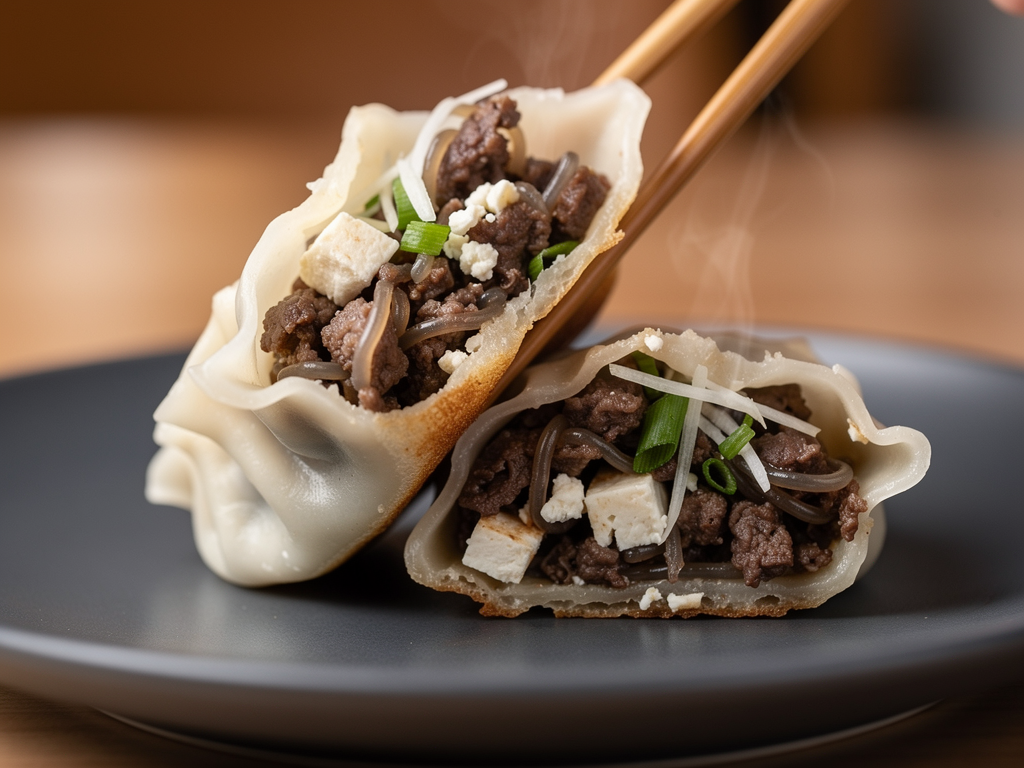
The filling is the reason mandu stays light. Most versions combine minced beef or chicken with crumbled tofu, chopped glass noodles, spring onion, garlic, ginger and either shredded cabbage or kimchi. Tofu and glass noodles are not cheap bulk. They add moisture and keep the texture springy instead of turning dense like a western meatball. Without them the dumpling would sit heavy in the mouth. Seasoning is usually soy, sesame oil and black pepper. Some kitchens add a splash of cooking wine, which matters for halal checks.
The wrapper is a simple wheat-flour dough rolled thin enough to turn translucent at the edges when cooked. That thinness is why a good mandu can be pan-fried to a crisp base while the top stays tender from steam. In the UAE every verified menu uses these core components. The only real variables are whether the protein is beef, chicken, both, or sometimes pork at non-halal venues, and whether kimchi or plain cabbage is chosen for the vegetable.
What are the different types of mandu?
The Korean name tells you exactly how the dumpling is finished. Gun-mandu is pan-fried until the bottom is golden and crisp. Jjin-mandu is steamed all the way through and usually served in a bamboo basket. Mul-mandu is boiled and served in the starchy water it cooked in. Mandu-guk drops the dumplings into a clear beef broth, almost always with sliced rice cakes that turn it into tteok-manduguk.
Mandu jeongol takes the same dumplings and simmers them at the table in a spicy or mild broth with vegetables so the dish becomes a shared casserole. Wangmandu is the giant steamed version that looks more like a bao bun than a classic dumpling. These names are consistent across UAE menus. The identical filling can appear as a AED 35 pan-fried plate, a AED 58 soup, a AED 90 hot pot or a AED 147 casserole. That format ladder is the single most useful piece of information for anyone deciding what to order.
How much does mandu cost in the UAE?
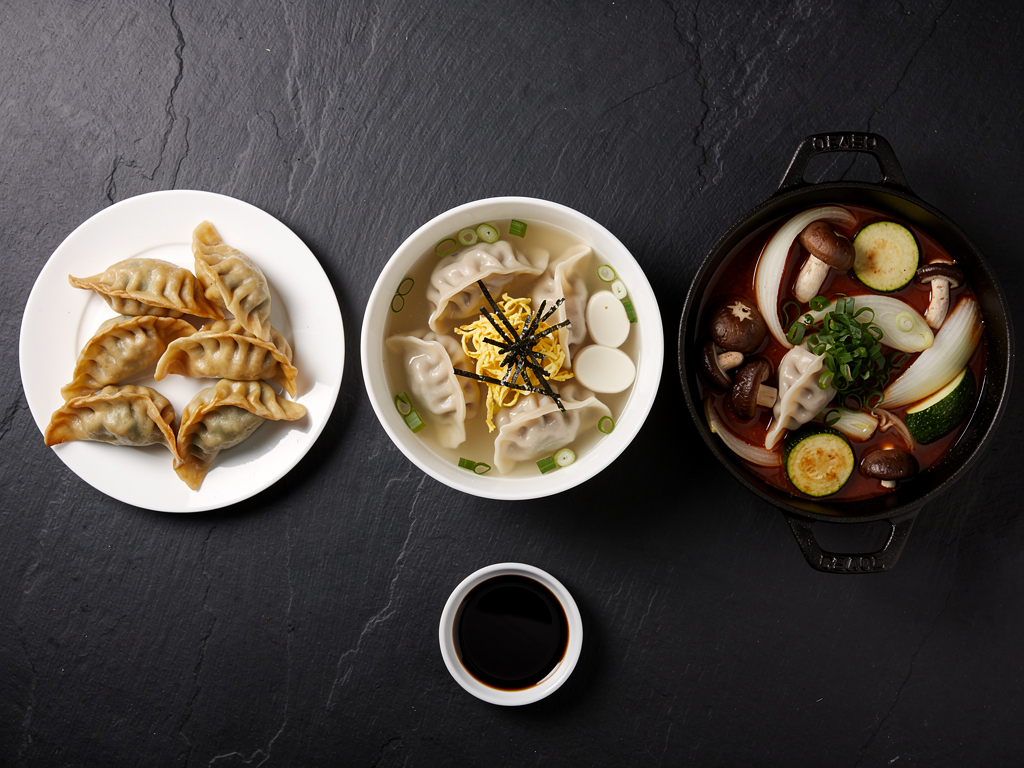
The short version of what is mandu costing you: there is no single price, because mandu is not one dish. It is an ingredient that changes format and therefore price. Pan-fried plate (gun-mandu) runs AED 35 to 48. Soup (mandu-guk or tteok-manduguk) runs AED 58 to 59. Hot pot or casserole (mandu jeongol) runs AED 78 to 147. A five-piece hotel portion sits at AED 70.
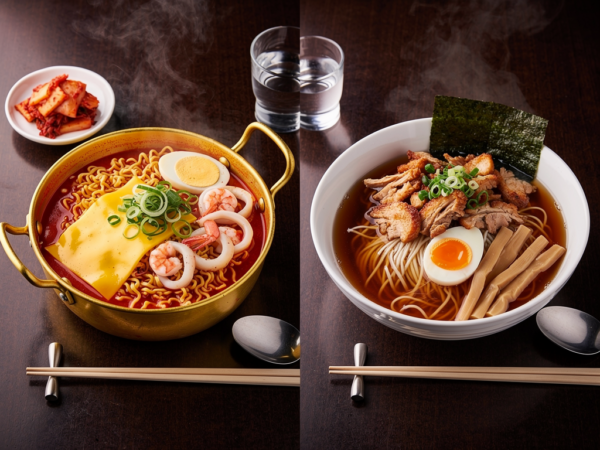
Mukbang Shows prices Tteok Mandu Guk at AED 59 and plain Tteokguk at AED 51. The AED 8 gap is the clearest printed answer anywhere to what the dumplings themselves actually cost. Mannaland sells the identical dumpling as a AED 58 soup and a AED 147 large casserole, a 2.5 times spread decided entirely by the pot it arrives in. Prices below come straight from first-party menus re-checked in September 2026 and include 5% VAT where stated by the venue.
| Venue | Area | Price AED | Halal | Standout order |
|---|---|---|---|---|
| Hanok The Korean Restaurant | International City, Dubai | 35 (pan-fried) | Confirm directly | Kimchi Mandu or Leek Mandu |
| Mukbang Shows | Deira / JBR / DWTC, Dubai + Abu Dhabi | 48 (plate), 59 (soup) | 100% halal (beef & chicken only) | Mandu (fried or steamed) |
| Mannaland Korean Restaurant | Al Hudaiba / Satwa, Dubai | 58 (soup), 147 (large casserole) | Confirm directly | Mandu Jeongol large |
| NURI Grill & Bar | Hilton Abu Dhabi Yas Island | 70 (5pcs) | Confirm directly (menu lists beef/pork) | Fried or Steamed Dumplings 5pcs |
| The Skewers Korean BBQ | Hamdan Street, Abu Dhabi | No mandu listed | Confirm directly | Not applicable |
This table shows the full price ladder in one view. Order the pan-fried plate if you want mandu as a side. Order the soup if you want it as a meal. Order the casserole only if three or more people are sharing.
Why is mandu almost always served with rice cakes in soup?
Because in the UAE it essentially always is. Every mandu soup found on a first-party menu in this research is a tteok-manduguk – dumplings and sliced rice cakes in the same bowl – rather than a plain manduguk with dumplings alone. Mannaland lists Tteok Manduguk at AED 58 and describes it simply as Korean dumpling soup. Mukbang Shows lists Tteok Mandu Guk at AED 59. Neither kitchen publishes a dumpling-only version.
That pairing is not padding, and it is worth understanding before you order, because the two things in the bowl are doing opposite jobs. Tteok are dense, chewy, neutral cylinders of pounded rice: they carry almost no flavour of their own and exist to soak up the broth and give the spoon something substantial to push against. Mandu are the opposite – a thin wrapper holding a seasoned, textured filling that releases its own flavour into the soup as it sits. One is a sponge and the other is a source. A bowl with only rice cakes tastes flat by the halfway point; a bowl with only dumplings has nothing to bulk it out.
There is a calendar reason underneath the culinary one. Tteokguk, the plain rice-cake soup, is the traditional Korean lunar new year dish – eating a bowl at Seollal is how you are said to gain a year. Adding mandu to it turns it into tteok-manduguk, which is the northern and central Korean version of the same new year custom, and it is that combined version that travelled onto restaurant menus.
The clearest evidence sits on one menu. Mukbang Shows sells Tteokguk – the same rice-cake soup with no dumplings in it – at AED 51, and Tteok Mandu Guk at AED 59. The dumplings are the only difference between the two bowls, so AED 8 is what a kitchen in the UAE actually charges to put mandu in your soup.
Mandu vs gyoza vs jiaozi: what is the difference?
A gyoza skin is the thinner of the two and its filling is finer and more tightly packed; a mandu wrapper is thicker and its filling looser and lighter, because of the tofu and glass-noodle mix. Jiaozi tend to be boiled or steamed and often carry a juicier pork-heavy filling. The differences come down to wrapper thickness, seasoning emphasis and serving style rather than the basic concept of meat in dough. For a full breakdown see our full mandu vs gyoza comparison. The Korea Tourism Organization’s guide to Korean food also covers these distinctions in detail.
Is mandu halal in the UAE?
The honest checkpoints are the filling and whether cooking wine is used in seasoning. Pork is a common filling in Korea so the protein question is real. Mukbang Shows is 100% halal: beef and chicken BBQ only with no pork anywhere on the menu and no alcohol served or used in the kitchen. Hanok publishes kimchi mandu and leek mandu as vegetarian options. NURI lists its dumplings as “Beef/Pork” on the menu so the filling must be confirmed directly. Mannaland and other venues do not publish full ingredient lists so confirm halal status and cooking-wine use directly with the restaurant. Never assume.
In practice the whole halal question for mandu comes down to two short questions at the counter: what is the filling, and is any cooking wine used in the seasoning. The second one catches people out, because a dumpling can be made with beef and still be seasoned with rice wine, and menus almost never print that either way.
Anyone asking what is mandu made of at a venue that is not fully halal should ask both, not just the first. Time Out Dubai’s list of Korean restaurants in Dubai and What’s On Dubai’s restaurant section can point you toward more options but always ask about mandu specifically.
How do you eat mandu?
Mix soy sauce with a little vinegar and a touch of chilli or sesame oil for the dipping sauce. The vinegar cuts any richness and stops fried mandu from feeling heavy. Mandu is a sharing plate, not a starter for one person. One plate of six to eight pieces plus rice and a couple of sides works for two to three people when ordered alongside other dishes. At the table you pick one dumpling, dip, eat in one or two bites, then repeat. In soup or casserole form the broth does the seasoning so extra sauce is optional.
Where can you try mandu in the UAE?
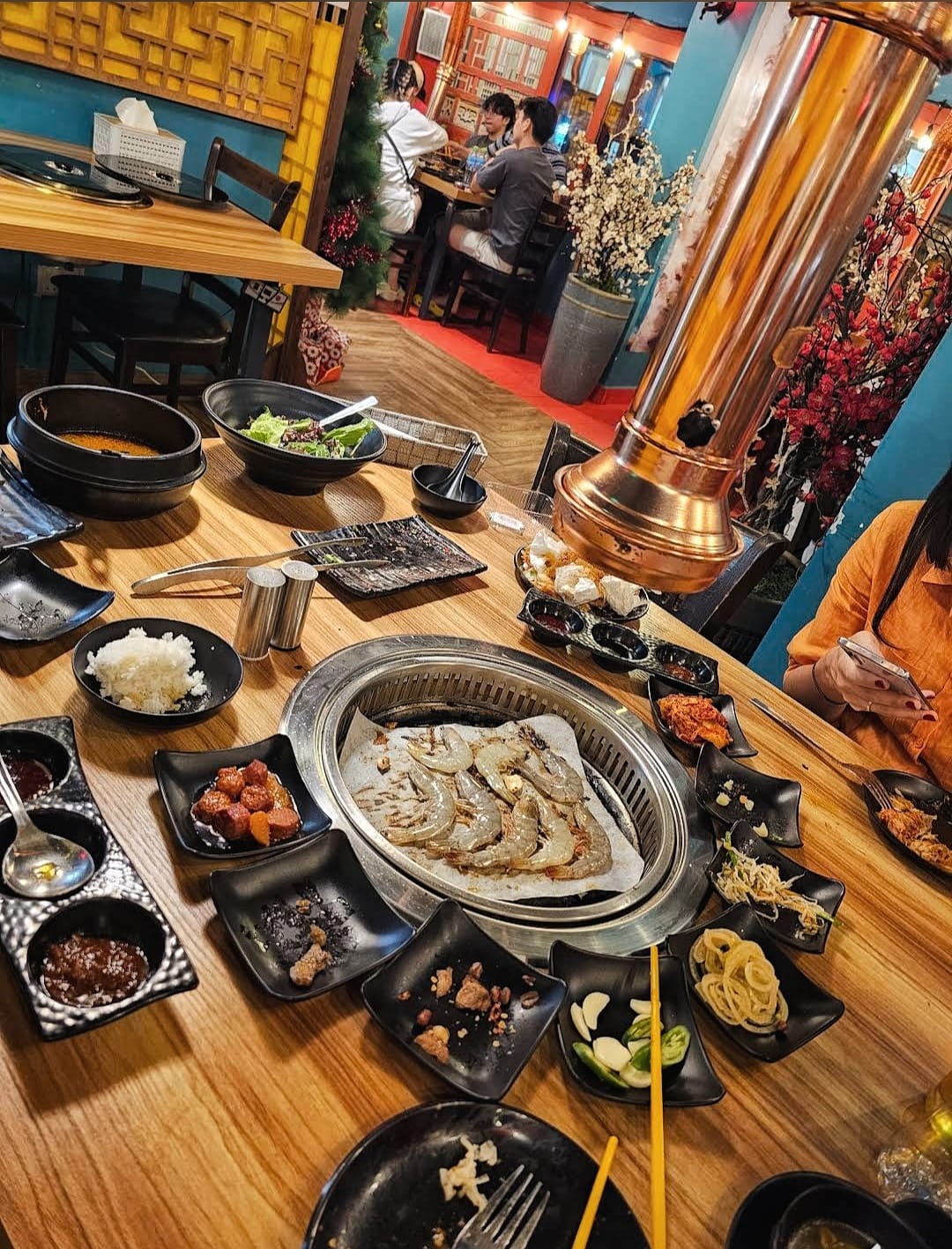
Mukbang Shows ranks first for consistent availability, clear halal credentials and straightforward pricing. The Deira branch on Al Ittihad Rd, Port Saeed, Dubai is the original. Mandu is listed at AED 48 as “Mandu (Fried or Steamed)” in the street-food section next to tteokbokki AED 55, rabokki AED 49, eomuk tang AED 49 and gimmari AED 49. The same dumplings appear again inside Tteok Mandu Guk at AED 59. Fillings are beef and chicken only.
The gap between Tteok Mandu Guk AED 59 and plain tteokguk AED 51 shows the dumplings add exactly AED 8. Five branches exist: Deira (+971-4-886-4494), JBR (+971-54-523-1898 at Plaza Level, Bahar 3, The Walk, Marsa Dubai), Love Mukbang DWTC (+971-54-524-5904 at The Apartments Block A, Sheikh Zayed Rd, opposite World Trade Centre metro station), Muroor Road Abu Dhabi (+971-50-158-9433 at 547 Sultan Bin Zayed The First St, Al Danah), and Electra Street Abu Dhabi (+971-2-564-0446 at Zayed The First St behind Sun and Sand Sports).
One honest downside is that the menu offers only one mandu plate at AED 48 with the choice limited to fried or steamed. There is no pick-your-filling list like Hanok and no casserole format like Mannaland. If choosing exact vegetables inside the dumpling or making mandu the centre of a shared table is the main goal, another kitchen serves that better.
At Mukbang Shows the mandu is a strong side act next to the grill rather than the kitchen’s sole focus. See the best mandu in Dubai, for where to actually buy the plate and the best mandu in Abu Dhabi for branch-specific updates.
Hanok The Korean Restaurant in International City, Dubai comes second for price. It sells both Kimchi Mandu and Leek Mandu at AED 35 each, described on the menu as “Pan-Fried Korean Dumplings Served With Sauce”. Both options are vegetarian. The same kitchen scales the dumpling into Mando Hot Pot at AED 90 regular or AED 110 large. This is the cheapest published plate in the research and the only one that lets you choose the vegetable component. International City requires a long drive from Downtown, Marina or Abu Dhabi branches so plan travel time. Confirm halal status and cooking-wine use directly with the venue before you go.
Mannaland Korean Restaurant in Al Hudaiba / Satwa, Dubai publishes the fullest price ladder. Tteok Manduguk costs AED 58 while the large Mandu Jeongol casserole reaches AED 147. The same dumpling therefore moves from a solo soup to a table-centre stew at 2.5 times the price purely because of the format. Other dishes on the menu such as kimchi jjigae, doenjang jjigae and soon tofu all sit at AED 58 so the pricing is internally consistent. The room is casual, often busy, with limited seating and parking. It is a la carte only. Confirm halal status directly.
NURI Grill & Bar at Hilton Abu Dhabi Yas Island offers the hotel version. Fried Dumplings or Steamed Dumplings are both AED 70 for five pieces with cabbage, soy sauce and sesame oil seasoning. This is the highest per-dumpling price on the list and useful as the top of the ladder. The menu lists the items as “Beef/Pork” so the exact filling must be confirmed on arrival. The venue is licensed. Yas Island is a destination trip from central Abu Dhabi.
The Skewers Korean BBQ on Hamdan Street in Abu Dhabi is included only as scarcity evidence. Its menu carries kimchi jjigae at AED 43, ramen at AED 25, gimbap at AED 38, japchae at AED 40 and jajangmyeon at AED 38 but publishes no mandu at all. This shows that not every Korean restaurant in the UAE offers dumplings. Do not go there specifically for mandu. Confirm halal status directly.
FAQ
What does mandu taste like?
Light, savoury and slightly chewy from the glass noodles. Fried versions have a crisp base. Soup versions take on the broth flavour. Vinegar in the dip stops it feeling heavy.
Is mandu the same as dumplings?
Yes. Mandu is simply the Korean word for dumpling. The filling and wrapper differ slightly from Chinese or Japanese styles.
How many pieces are in one order?
Most UAE menus do not print a count at all. The only published piece count found in this research is NURI’s, which lists five pieces for AED 70.
Can I order mandu without meat?
Hanok lists vegetarian kimchi and leek versions at AED 35. Mukbang Shows uses beef or chicken. Always confirm.
Is mandu eaten at Korean New Year?
Yes. Mandu-guk and tteok-manduguk are traditional Seollal foods eaten for good luck.
Where is the cheapest mandu in the UAE?
Hanok The Korean Restaurant at AED 35 for pan-fried kimchi or leek mandu is the lowest published price.
What is mandu? It is an ingredient that changes character and cost depending on whether it is fried, floated in soup or simmered in a casserole. The price ladder printed above lets you budget accurately before you arrive. Next time you sit in a Korean restaurant in Dubai or Abu Dhabi, read the menu prefix — gun, tteok, jeongol — and you will know exactly what format you are buying. Use the contacts above, ask the two halal questions, then decide which rung of the ladder fits your table.
Related guides
More from our Korean food guides across the UAE: