What does Tteokbokki Taste like? If you’ve never tried tteokbokki, you’re probably staring at that red, glossy bowl on Instagram wondering — is it worth ordering?
As a Korean restaurant that serves hundreds of plates of tteokbokki every week at Mukbang Shows in Dubai, we hear this question daily. The short answer: it tastes like a spicy-sweet punch of gochujang chili paste wrapped around thick, chewy rice cakes that bounce between your teeth. The long answer is below.
The Flavor: Spicy, Sweet, and Deeply Savory
Tteokbokki doesn’t taste like just one thing. It’s a layered dish. Here’s what hits your palate, in order:
First bite — the heat. The gochujang (Korean chili paste) hits you with a warm, building spice. It’s not a sharp burn like a jalapeño. It’s a slow, roasted heat that spreads across your tongue.
Then the sweetness arrives. Korean cooking balances spice with sugar, and tteokbokki leans into this. The sauce has a subtle caramelized sweetness — almost like a sweet chili glaze — that rounds out the heat.
Underneath it all — umami. Fish cake, anchovy broth, and soy sauce create a deep, savory backbone. This is what makes tteokbokki addictive. You keep reaching for the next piece because that umami pulls you back.
If you’ve ever had a spicy-sweet Asian chili sauce on fried chicken or dumplings, tteokbokki lives in that same flavor neighborhood — but richer and more complex.
The Texture: The Part Nobody Talks About Enough

Flavor gets all the attention, but texture is what makes tteokbokki memorable.
The rice cakes (called tteok) are cylindrical tubes made from pounded rice flour. They’re:
- Soft on the outside — the sauce clings to them and creates a glossy, slippery coating
- Chewy on the inside — dense and bouncy, similar to mochi or thick gnocchi
- Never crunchy — if your tteokbokki is hard, it wasn’t cooked properly
The chewiness is the whole point. Koreans call this texture “chal-gi” (쫄깃) — that satisfying, springy resistance when you bite down. It’s the same reason people love fresh mochi or al dente pasta. If you enjoy foods with a good chew, tteokbokki will be your new obsession.
What Exactly Goes Into Tteokbokki?
The classic version that we serve at Mukbang Shows uses:
| Ingredient | What It Does |
|---|---|
| Rice cakes (tteok) | The chewy base — made from rice flour |
| Gochujang | Fermented Korean chili paste — the main flavor driver |
| Gochugaru | Korean chili flakes — adds color and a different layer of heat |
| Soy sauce | Adds salt and umami depth |
| Sugar | Balances the spice with caramelized sweetness |
| Fish cake (eomuk) | Thin, savory slices that soak up the sauce |
| Green onions | Freshness and a mild bite |
| Hard-boiled eggs | A creamy contrast to the spicy, chewy rice cakes |
That’s the traditional version. But tteokbokki has evolved well beyond this base.
4 Tteokbokki Variations You Should Know
1. Classic Spicy (the original)
The one described above. Red, fiery, and the most common version you’ll find at Korean street stalls and restaurants. If it’s your first time, start here.
2. Cheese Tteokbokki
Same spicy base, but topped with a thick layer of melted mozzarella. The cheese cools the heat and adds a stretchy, gooey element. This is the most popular version on our menu — especially with guests who are new to Korean food.
3. Seafood Tteokbokki
The sauce gets a boost from shrimp, squid, or mussels. The seafood broth deepens the umami and makes the dish feel more substantial. A great pick if you want something heartier.
4. Soy Sauce Tteokbokki (Ganjang Tteokbokki)
No chili paste at all. This is the original royal court version — soy sauce, sesame oil, and beef. It’s savory and mild, with zero spice. Perfect if you don’t handle heat well but still want to experience the chewy rice cakes.
How Spicy Is Tteokbokki, Really?
This is the #1 concern we hear from first-timers.
On a scale of 1–10, classic tteokbokki sits around a 5–6 for most people. It’s a medium heat that builds gradually. It won’t make you cry, but you’ll want a drink nearby.
That said, spice levels vary wildly depending on where you eat. Some street vendors in Seoul make versions that would register an 8 or 9. At Mukbang Shows, we keep it at a level that’s flavorful without being punishing — and we can always adjust.
Pro tip: If you’re worried about spice, order the cheese version. The melted mozzarella cuts the heat significantly.
What to Eat With Tteokbokki
Tteokbokki is rarely eaten alone in Korea. Here’s what pairs well:
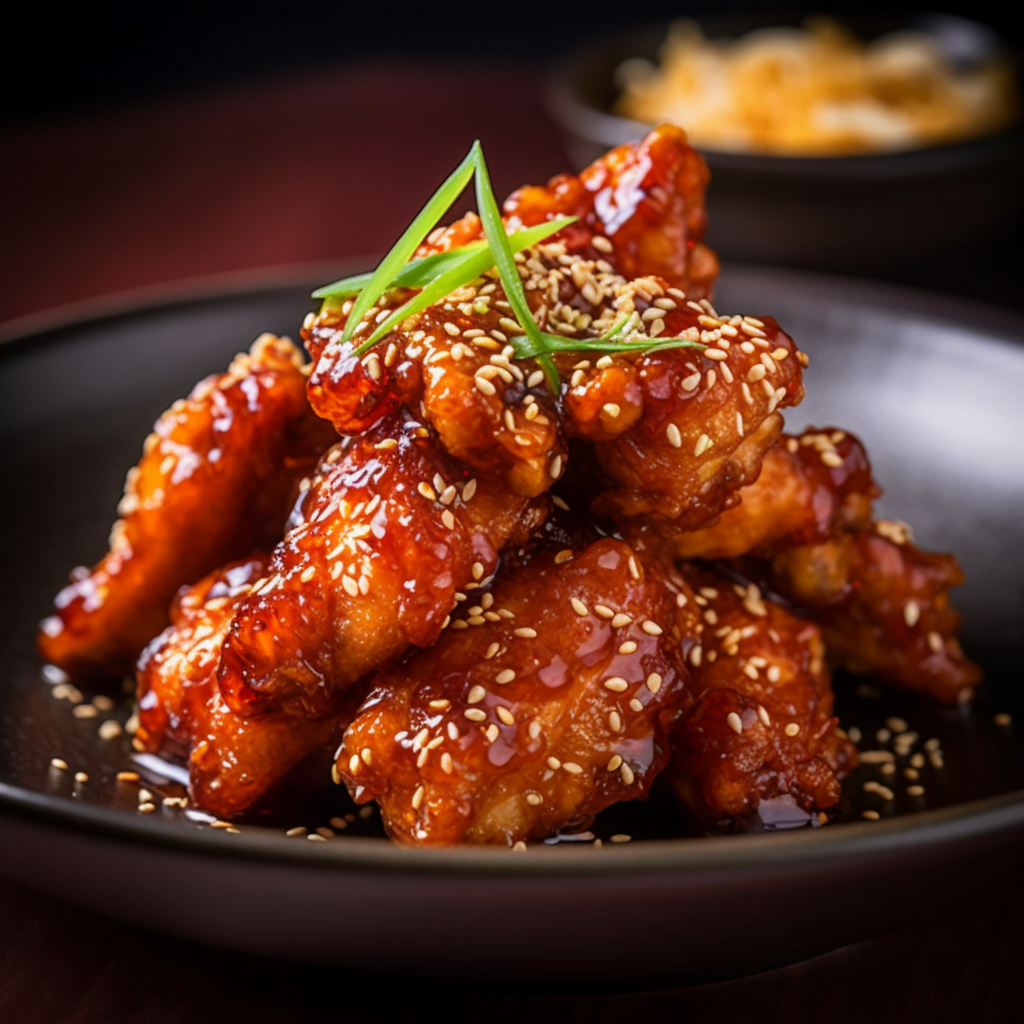
- Korean fried chicken — the crispy skin dipped in leftover tteokbokki sauce is legendary
- Kimbap — Korean rice rolls that balance out the richness
- Ramyeon (ramen noodles) — many Koreans add instant noodles directly into the tteokbokki sauce, creating rabokki
- A cold drink — beer, soju, or even a sweet Korean melon soda to cool the heat
Try It For Yourself in Dubai
Reading about tteokbokki only gets you so far. The chewy texture, the way the sweet-spicy sauce coats your tongue, the umami that keeps you going back for “just one more piece” — that’s something you have to experience.
At Mukbang Shows, we serve tteokbokki the way it’s meant to be eaten: freshly made, properly chewy, and with a sauce recipe that balances heat, sweetness, and depth.
We have locations in Abu Dhabi and a new branch opening in JBR, Dubai. Walk in, sit down, and let us answer the question for you — in the best way possible.
View Our Full Menu | Reserve a Table
FAQ
Does tteokbokki taste like pasta? Not really. The sauce is completely different (chili paste vs. tomato), but the chewy texture has a distant similarity to thick gnocchi. If you like gnocchi’s chewiness, you’ll love tteokbokki.
Is tteokbokki gluten-free? The rice cakes themselves are typically gluten-free (made from rice flour). However, the fish cakes and some sauce ingredients may contain wheat. Ask your server if you have a sensitivity.
Can kids eat tteokbokki? Yes — go with the cheese or soy sauce version. The cheese cools the spice, and the soy sauce version has no chili at all. The chewy texture is usually a hit with kids.
Is tteokbokki healthy? It’s a carb-forward dish, so it’s not exactly a diet food. But the rice cakes are low in fat, and the sauce provides probiotics from fermented gochujang. As a treat or shared plate, it’s a solid choice.
What if I don’t like spicy food? Order the Ganjang (soy sauce) tteokbokki. Zero spice, all the chewy satisfaction. Or try the cheese version — the mozzarella tames the heat considerably.