Discover the Spicy, Savory Magic That Has Taken the World by Storm
Walk through the bustling streets of Seoul on any given evening, and you’ll encounter a sensory experience that defines Korean street food culture: the unmistakable aroma of sizzling rabokki, the sound of vendors expertly tossing chewy rice cakes and springy noodles in a bubbling crimson sauce, and the sight of hungry locals and tourists alike lined up for their fix of this iconic Korean delicacy. Rabokki isn’t just street food—it’s a cultural phenomenon, a comfort dish, and an unforgettable culinary experience that has captured hearts and taste buds across continents.
At Mukbang Shows Korean BBQ & Seafood Restaurant, we’ve perfected the art of rabokki, bringing the authentic street food energy of Korea directly to your table. Whether you’re a seasoned Korean cuisine enthusiast or discovering rabokki for the first time, this comprehensive guide will take you on a journey through one of Korea’s most beloved and addictive street foods.
What is Rabokki? Understanding the Legend
Rabokki is a portmanteau of two Korean words: “rabokki” combines elements of tteokbokki (떡볶이), which refers to spicy stir-fried rice cakes, and ramen noodles. However, it’s far more than a simple fusion of two existing dishes—it’s a revolution in Korean street food that emerged from the creative kitchens of vendor entrepreneurs in Seoul’s most vibrant neighborhoods.
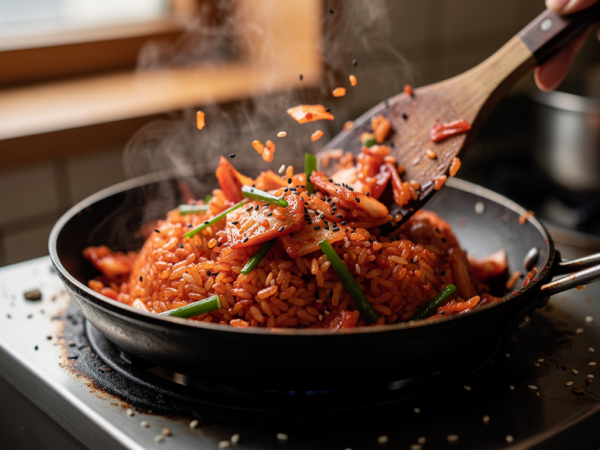
At its heart, rabokki is a harmony of textures and flavors: chewy, pillowy rice cakes (tteok) combined with springy, absorbent ramen noodles, all bound together in a thick, spicy gochujang-based sauce that clings to every element. The dish is typically served in a bubbling, cast-iron skillet, creating an interactive dining experience where the food continues to cook slightly at your table, intensifying flavors with each passing moment.
The beauty of rabokki lies in its simplicity and its complexity simultaneously. Simple enough to prepare in under ten minutes on a street corner, yet complex enough in flavor development that countless variations and premium versions exist across Korea’s restaurant landscape. It’s the kind of food that satisfies immediate cravings while delivering sophisticated depth that keeps you coming back for more.
The Origin Story: How Rabokki Became a Cultural Icon
To understand rabokki’s place in Korean food culture, we must first appreciate the context from which it emerged. Tteokbokki, the spicy rice cake dish that forms rabokki’s foundation, has been a beloved Korean comfort food since the early 1950s, evolving from a simple royal court dish into a ubiquitous street food.
The true birth of rabokki as we know it came in the 2010s when creative street vendors began experimenting with combining tteokbokki with ramen noodles. The motivation was practical yet brilliant: ramen noodles added volume and variety to the dish while complementing the rice cakes’ texture. But what emerged was far more significant than a mere portion increase—it was a flavor and texture combination that proved absolutely magical.
The timing was perfect. Korean youth culture was experiencing explosive growth, social media was amplifying food trends at unprecedented speeds, and young Koreans were hungry for innovation within traditional frameworks. Rabokki represented exactly that: deeply rooted in Korean tradition yet boldly modern in execution. Food content creators and mukbang creators—a genre of online video content focused on eating large quantities of food—became major ambassadors, showcasing the dish’s visual appeal and satisfying nature.
By the late 2010s, rabokki had transcended the status of a trendy novelty to become a legitimate menu staple at restaurants, food courts, and street vendor stalls throughout Korea. Today, it rivals tteokbokki itself in popularity, with some vendors reporting that rabokki outsells traditional tteokbokki by a significant margin.
The Perfect Anatomy: What Makes Exceptional Rabokki
Creating truly exceptional rabokki requires understanding each component and how they interact within the dish. Let’s break down the essential elements:
The Rice Cakes (Tteok)
The foundation of rabokki begins with garaetteok—Korean cylindrical rice cakes that are soft, chewy, and slightly springy. These aren’t the pounded rice cakes used in traditional tteokbokki; they’re specifically designed to absorb sauce while maintaining their structural integrity throughout cooking. The ideal rice cake should be soft enough to offer no resistance when bitten, yet structured enough to hold up to vigorous stirring and sauce absorption.
Quality matters significantly here. Premium rabokki establishments often use freshly made rice cakes from specialty suppliers, resulting in a superior texture that mass-produced alternatives simply cannot match. The difference is immediately apparent: authentic rice cakes provide a satisfying, almost pillowy bite, while lower-quality versions become mushy or develop an unpleasant grainy texture.
The Ramen Noodles
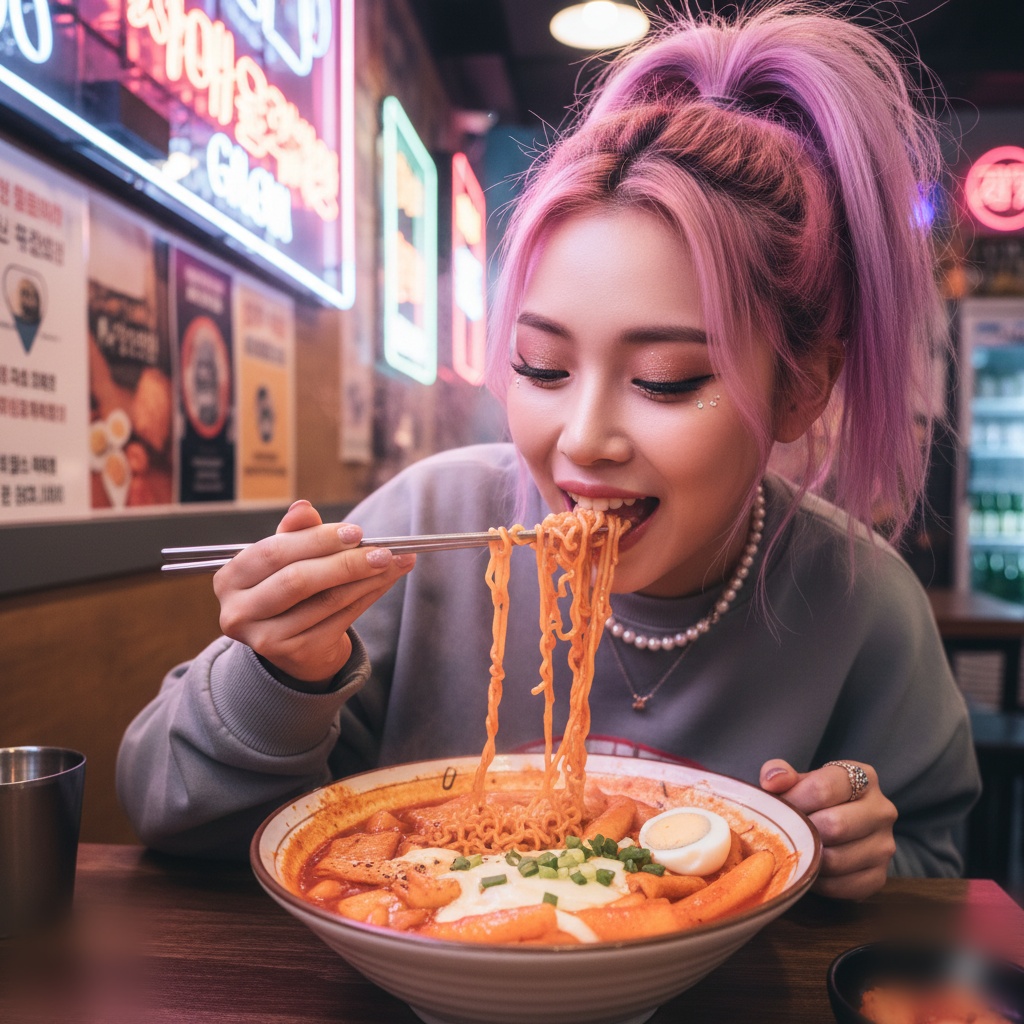
The noodle component adds crucial textural contrast and helps distribute the sauce more evenly throughout the dish. Instant ramen noodles are typically used, though premium establishments may opt for fresh or higher-quality noodle varieties. The noodles should be cooked just until tender but still maintaining a slight firmness—they’ll continue absorbing sauce as you eat, so starting slightly al dente ensures you never end up with mushy noodles.
The noodles also serve an important practical purpose: they act as tiny sauce carriers, ensuring each bite has optimal sauce coverage. When you take a spoonful of rabokki, you’re getting a combination of rice cakes, noodles, and sauce that creates a complex mouthfeel impossible to achieve with either component alone.
The Sauce: Where Magic Happens
The soul of rabokki is undoubtedly its sauce. This thick, rich, spicy concoction is typically built on gochujang (Korean red chili paste) as the foundation, creating the characteristic deep red color and spicy kick. But exceptional rabokki sauce requires more than just chili paste—it’s a carefully balanced composition of multiple elements.
High-quality rabokki sauce includes gochugaru (Korean red chili flakes), garlic, sugar, soy sauce, fish sauce, and often gochujang for layered complexity. Some vendors add sesame seeds, perilla leaves, or other secret ingredients that make their version distinctive. The sauce should be thick enough to coat every piece thoroughly but fluid enough to be stirred easily. It should achieve a balance between heat and sweetness, allowing the complex chili flavors to shine through without overwhelming the palate.
The best rabokki sauces taste slightly different on the second bite than the first—they develop and intensify as you eat, with the heat building gradually rather than hitting you all at once. This sophisticated flavor evolution distinguishes premium rabokki from pedestrian versions.
The Vegetables and Proteins
While sauce, rice cakes, and noodles form the core, exceptional rabokki incorporates carefully selected vegetables and proteins that add freshness, nutrition, and textural variety. Common additions include:
- Green onions (scallions): Provide sharp, fresh notes that cut through the rich sauce
- Carrots: Add sweetness and crunch
- Cabbage: Offers textural contrast and subtle sweetness
- Potatoes: Create a hearty element and absorb flavors beautifully
- Fish cakes (eomuk): Traditional additions that provide umami depth
- Cheese: Modern additions, particularly popular in Korean youth culture
- Eggs: Often added for richness and protein
- Seafood: Premium versions may include shrimp, squid, or fish
The key is balance—vegetables should complement rather than dominate, providing supporting notes to the main performance of sauce, rice cakes, and noodles.
Rabokki Variations: A World of Possibilities
One of rabokki’s greatest strengths is its versatility. Across Korea and increasingly worldwide, vendors and restaurants have developed creative variations that maintain the dish’s essential character while exploring new directions.
Cheese Rabokki
Perhaps the most commercially successful modern variation, cheese rabokki emerged in the 2010s when vendors began adding melted mozzarella, cheddar, or Korean cheese (often in the form of cheese slices or cheese powder) to the traditional recipe. The cheese creates a creamy richness that balances the sauce’s heat and spice, making the dish somewhat more approachable for those sensitive to chili. The visual appeal of stretchy, melted cheese also photographs exceptionally well, contributing to its social media popularity.
Seafood Rabokki
For those seeking a more refined version with premium ingredients, seafood rabokki incorporates fresh squid, shrimp, scallops, and fish. These proteins add umami depth and create a more restaurant-quality presentation. The light flavor of the seafood plays beautifully against the sauce’s intensity, creating an elevated experience.
Carbonara Rabokki
A Western-inspired fusion, carbonara rabokki combines the Korean foundation with elements of Italian carbonara, typically adding cream, eggs, and bacon. This variation appeals to those seeking comfort food that bridges cultural expectations.
Cream-Based Rabokki
Some variations replace the traditional spicy gochujang sauce with a creamy, milder version based on cream, butter, and stock. While more controversial among purists, these versions have gained popularity among those who love rabokki’s texture but prefer less heat.
Seafood BBQ Rabokki
This premium variation combines rabokki with the interactive, communal aspects of Korean BBQ. Diners receive a skillet of rabokki along with raw seafood or meat that they cook directly in the sauce, creating a dynamic cooking and eating experience.
The Cultural Significance: More Than Just Food
Understanding rabokki’s popularity requires appreciating its cultural context within Korean society. The dish embodies several fundamental aspects of Korean food culture:
The Street Food Spirit
Rabokki represents the democratization of quality eating—it’s affordable yet delicious, quick yet satisfying, casual yet capable of delivering genuine pleasure. In Korea’s fast-paced urban environment, rabokki offers authentic culinary experience without requiring a reservation or formal dining setup.
Social and Interactive Dining
Rabokki is meant to be shared, discussed, and experienced together. The bubbling skillet creates a focal point around which groups gather, fostering conversation and connection. This social aspect reflects deeper Korean values around communal eating and relationship-building through food.
Innovation Within Tradition
Rabokki exists at the intersection of tradition and modernity, respecting Korean culinary heritage while embracing contemporary creativity. This balance appeals deeply to younger Korean consumers who are simultaneously proud of their cultural identity and eager to explore new possibilities.
The Mukbang Phenomenon
Rabokki’s association with mukbang content—videos of people eating large quantities of food while interacting with viewers—propelled the dish into global consciousness. The visual drama of the spicy red sauce, the variety of textures, and the satisfying eating experience make rabokki naturally compelling content for this format.
Flavor Profile: A Sophisticated Spicy Experience
Describing rabokki’s flavor accurately requires moving beyond simple “spicy” characterizations. The best rabokki operates on multiple flavor levels simultaneously:
The immediate impression is heat and sweetness—the gochujang’s natural sweetness and spiciness hit the palate first, creating that characteristic Korean red chili flavor. But this shouldn’t be brutally hot; quality rabokki achieves heat through careful spice balance and sauce richness that makes the spice pleasant rather than punishing.
The secondary flavors reveal themselves as you eat: umami depth from fermented ingredients, the subtle fishiness from fish sauce or seafood stock, garlic and other aromatics, and the sweetness from vegetables and added sugar creating a complex sauce that evolves on your palate.
The textural experience contributes significantly to flavor perception. The contrast between chewy rice cakes and springy noodles, the way sauce clings to each element, and how vegetables provide crisp, fresh contrasts all influence how you perceive the flavors. This complexity is why rabokki is so engaging—it’s never boring, never static.
The aftertaste of great rabokki is pleasantly warm rather than burning, with lingering umami notes and a gentle spice that invites another bite rather than deterring you.
Health Perspectives: Indulgence with Nutritional Value
While rabokki is undoubtedly an indulgent comfort food, it offers more nutritional benefit than stereotypes suggest. The dish typically includes:
- Carbohydrates from rice cakes and noodles, providing energy
- Proteins from noodles, fish cakes, and optional protein additions
- Vegetables that add vitamins, minerals, and fiber
- Capsaicin from red chili, which has demonstrated metabolic and health benefits
- Umami compounds from fermented ingredients, which can promote satiety
Of course, rabokki is also high in sodium and can be calorie-dense, particularly when cheese or premium protein additions are included. Like most street foods, it’s best enjoyed as part of a balanced diet rather than as an everyday staple. However, the dish is fundamentally more balanced than many comfort foods, offering genuine nutritional value alongside its undeniable pleasure.
The Global Rabokki Movement
What began as a Seoul street food phenomenon has begun spreading internationally. Korean diaspora communities and Korean food enthusiasts worldwide have embraced rabokki, with specialist restaurants and street food vendors now offering the dish in major cities across Asia, North America, Europe, and the Middle East.
This globalization has led to fascinating regional variations, with local chefs adapting rabokki to local tastes and ingredients while maintaining the essential character that makes it so compelling. In each region, rabokki has found enthusiastic audiences, suggesting that its appeal transcends cultural boundaries—it speaks to something universal about the desire for delicious, satisfying, interactive eating experiences.
Experiencing Rabokki at Mukbang Shows
At Mukbang Shows Korean BBQ & Seafood Restaurant, we’ve dedicated considerable effort to creating the definitive rabokki experience in the UAE. Our approach honors traditional Korean street food principles while leveraging our expertise in premium Korean cuisine.
Our Rabokki Philosophy
We believe that rabokki should deliver authenticity without compromise. Our rice cakes are sourced from trusted suppliers who understand the precise texture and quality our standards demand. Our sauce recipe reflects years of refinement, balancing traditional ingredients with our own discoveries about what creates the most compelling flavor profile.
We respect the interactive, community-oriented nature of rabokki—our generous portions and communal presentation style encourage sharing and social engagement, whether you’re dining with family, friends, or colleagues.
The Mukbang Shows Difference
Our five locations across Abu Dhabi and Dubai each offer rabokki prepared with consistent excellence. We use premium proteins and vegetables, ensuring that every component of your rabokki experience meets the same standards we apply throughout our menu. Whether you visit our Muroor Road location in Abu Dhabi, our Electra Street location, our Deira location, our JBR location, or our Dubai World Trade Centre location (Love Mukbang), you’ll experience the same commitment to quality.
Our staff are trained to deliver rabokki at precisely the right temperature and consistency—hot enough to maintain the interactive cooking experience, but timed perfectly so the noodles and rice cakes reach ideal texture exactly as you begin eating.
Premium Variations at Mukbang Shows
Beyond our signature rabokki, we offer carefully developed variations that expand the experience:
- Seafood Rabokki: Features premium shrimp, squid, and fish, creating an elevated version that’s equally at home at a casual meal or special celebration
- Cheese Rabokki: Our interpretation uses premium mozzarella that melts perfectly into the sauce, creating a creamy richness that’s utterly compelling
- Combination Rabokki: Pairs rabokki with our Korean BBQ experience, allowing you to cook meat or seafood directly in the sauce
How to Eat Rabokki: Technique and Etiquette
While rabokki is fundamentally casual food, eating it well enhances the experience:
The Setup
Your rabokki arrives in a hot skillet, bubbling gently. Before diving in, take a moment to appreciate the presentation—the vibrant red sauce, the colorful vegetables, the glossy rice cakes. This isn’t just aesthetics; it’s part of the experience.
The Technique
Using the provided spoon or chopsticks, stir the rabokki gently, ensuring sauce coats everything evenly. Take small to medium portions rather than large bites—rabokki’s pleasure is partly about its variety, and smaller bites let you enjoy the textural and flavor complexity more fully.
Don’t rush. While rabokki is street food that can be eaten quickly, the experience is richer when you slow down slightly, allowing flavors to fully develop and register on your palate.
The Social Aspect
If eating with others, rabokki is perfect for sharing. The communal skillet encourages passing bites back and forth, discussing flavors and discoveries, and building connection through food. This is rabokki’s deeper cultural purpose.
The Beverage Pairing
Cold Korean beverages—ice-cold water, cola, or traditional Korean drinks like sikhye—provide perfect counterbalance to rabokki’s heat. In Korea, it’s common to finish rabokki with a glass of cold milk or even instant coffee, which sounds unusual but provides pleasant textural and thermal contrast.
Why People Love Rabokki: The Psychology of the Craving
Beyond flavor and nutrition, rabokki’s popularity reflects something deeper about human psychology around food:
Multisensory Engagement: Rabokki engages all your senses—the visual appeal of the bubbling red sauce, the aroma of garlic and spices, the sound of the sizzle, the variety of textures, the complex flavors. This multisensory engagement creates a more memorable, satisfying experience than simpler foods.
Interactive Experience: Unlike plated food you simply eat, rabokki invites participation. You’re stirring, adjusting, deciding when to eat next portions. This involvement creates ownership and engagement.
Comfort with Sophistication: Rabokki feels like comfort food—casual, approachable, familiar—yet delivers surprising sophistication in its flavor layers and textural complexity. This combination of accessible comfort and culinary depth appeals to diverse audiences.
Social Facilitation: The communal, bubbling nature of rabokki facilitates social connection. It’s difficult to eat rabokki in isolation; it naturally invites sharing and conversation.
Heat-Seeking Pleasure: Capsaicin’s effects on the brain—triggering endorphin release and creating a mild natural high—explain some of the addictive quality. But the pleasure isn’t just neurochemical; it’s in the sophisticated way rabokki’s sauce delivers heat balanced with sweetness and umami.
Customization and Control: Rabokki’s interactive nature means you control your experience—how much sauce you take, which vegetables you prioritize, how quickly you eat. This sense of agency enhances satisfaction.
Conclusion: The Enduring Appeal of Rabokki
Rabokki represents something special in global food culture: a dish deeply rooted in tradition yet boldly contemporary, fundamentally simple yet surprisingly sophisticated, casual street food yet capable of delivering genuine culinary pleasure and memorable experiences.
Whether you’re seeking comfort food, sharing a meal with friends and family, exploring Korean cuisine, or simply hungry for something that combines delicious flavors with engaging texture and interactive eating, rabokki delivers on every level.
At Mukbang Shows Korean BBQ & Seafood Restaurant, we invite you to experience why rabokki has captured hearts and taste buds across the world. Visit any of our five locations and discover the authentic Korean street food experience that’s redefining how we think about casual dining.
The next time you’re craving something spicy, satisfying, and genuinely memorable, remember: rabokki isn’t just food—it’s an experience, a connection, and a gateway into one of the world’s most exciting food cultures.
Visit Mukbang Shows today and discover why rabokki is more than a trend—it’s a culinary revolution.
Mukbang Shows Locations
Abu Dhabi:
- Muroor Road: 547 Sultan Bin Zayed The First St, Al Danah, Zone 1 | +971-50-158-9433
- Electra Street: Zayed The First St behind Sun and Sand Sports, Al Danah, Zone 1 | +971-2-564-0446
Dubai:
- Deira: Al Ittihad Rd, Port Saeed, Deira | +971-4-886-4494
- JBR: Plaza Level, Bahar 3 – Unit P33 – The Walk – Marsa Dubai, Jumeirah Beach Residence | +971-54-523-1898
- Love Mukbang (Dubai World Trade Centre): The Apartments Block A, Sheikh Zayed Rd, opposite metro station | +971-54-524-5904
Experience authentic Korean street food culture at Mukbang Shows.